
Scams at the 2026 World Cup: How Fans Lose Money and How to Stay Safe with Ticketmaster
Contents
Scammers Are Already Targeting World Cup Fans — And It's Getting Worse

Scammers Are Already Targeting World Cup Fans — And It's Getting Worse
The 2026 FIFA World Cup hasn't even finished its group stage, and cybercriminals are already running full-scale fraud operations targeting fans who want tickets.
Since April 2026 alone, security researchers have detected over 1,100 suspicious domains using the words "World" and "Cup," more than 600 fake sites mimicking FIFA.com, and a network of 33 scam domains tied to roughly 2,500 online ads — all designed to trick fans into handing over their money or personal data.
Ticketmaster is one of the biggest targets. Its name and logo are being copied by fake sites, its brand is used in phishing SMS messages, and fraudulent listings are showing up even on real resale platforms.
If you're trying to buy World Cup tickets through Ticketmaster or any other platform right now, this guide is for you. We'll cover exactly how these scams work, how to spot them before it's too late, and how to protect your personal data — including your phone number — when buying tickets online.
Why the World Cup Is a Perfect Target for Scammers

Ticket fraud isn't new. But major sporting events create conditions that make scams especially effective:
-
Massive demand, limited supply. Fans feel pressure to buy fast before tickets sell out. That urgency is exactly what scammers exploit.
-
Prices fans are willing to pay. World Cup tickets can cost hundreds or thousands of dollars. High-value transactions mean bigger payouts for fraudsters.
-
Global audience. Fans from 50+ countries are searching in different languages, on unfamiliar platforms, and with different levels of awareness about which sites are legitimate.
-
Emotional stakes. People are excited. Excitement lowers caution.
Ticket fraud is especially attractive to criminals because fans often feel pressure to buy fast. Fraudsters use stolen payment cards, fake checkout pages, or resale schemes to cash out quickly before victims notice the loss.
The 5 Most Common Ticketmaster Scams Right Now
1. Fake Ticketmaster Websites
Scammers build websites that look almost identical to Ticketmaster. Same logo, same layout, same ticket listings — but a slightly different URL. You pay, they take the money, and there's no ticket.
Threat actors have cloned FIFA's official website across around 300 domains to harvest user credentials ahead of the tournament. Some scams also rely on search engine manipulation, so fake pages appear beside real ones and can mislead people looking for tickets.
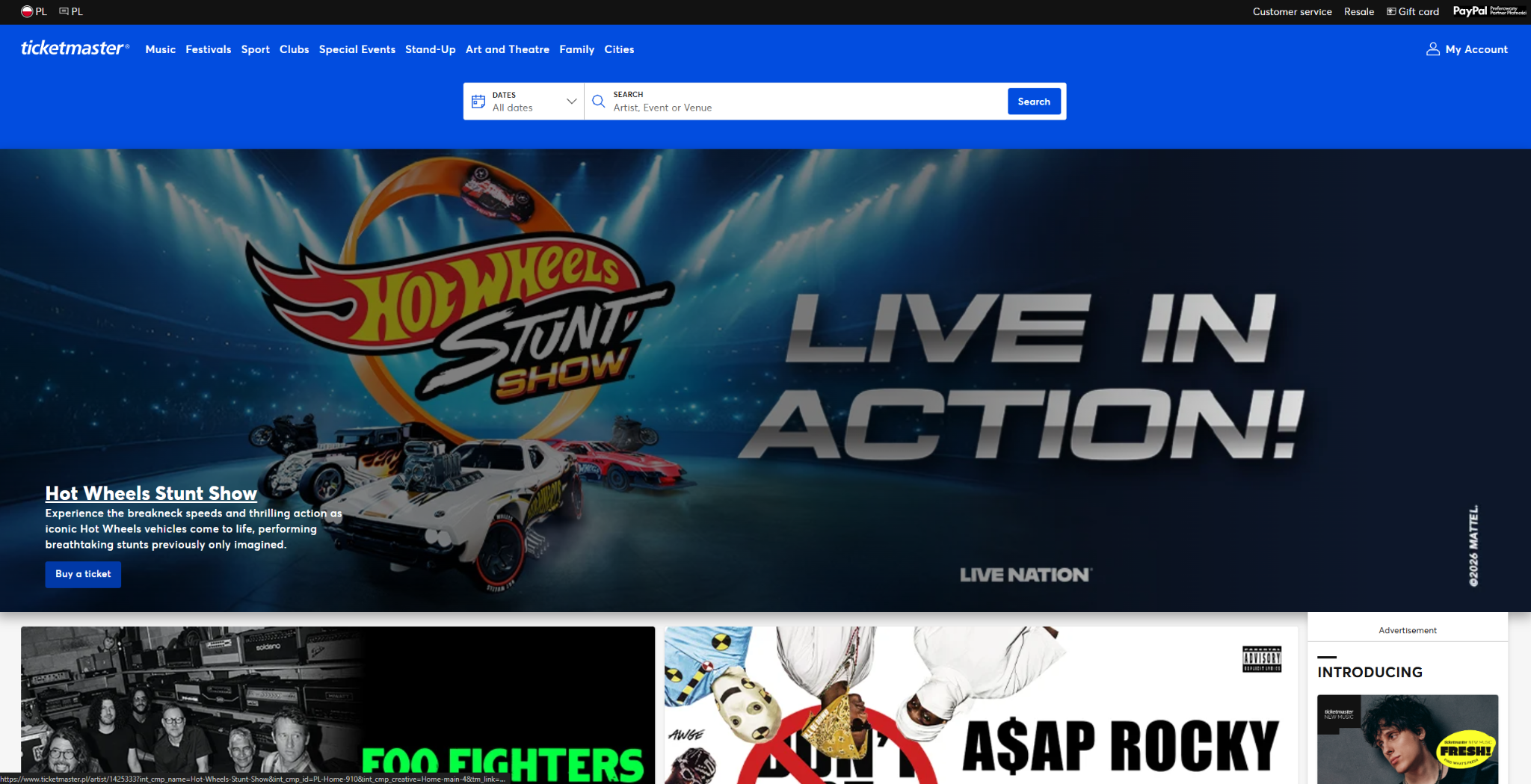
How to spot it: Always type ticketmaster.com directly into your browser. Never click links from ads, social media posts, or emails claiming to offer tickets. Check that the URL starts with https:// and that the domain is exactly ticketmaster.com — not ticketmaster-tickets.com or ticketmastersale.net.
2. Phishing SMS Messages
You get a text message that looks like it's from Ticketmaster. It says your order is ready, your account needs verification, or there's a problem with your payment. The link goes to a fake site that steals your login details and card number.
This type of scam is especially dangerous because the message often looks completely real — same format, same logo, even a "customer service" number that connects to the scammer.
How to spot it: Ticketmaster will never ask you to verify your account by clicking a link in an SMS. If you get a message like this, go directly to ticketmaster.com and check your account from there — never through the link in the message.
3. Fake Listings on Real Platforms
Scammers can post fraudulent listings on legitimate resale platforms, with Ticketmaster scammers using vague product descriptions like "World Cup 26: Group Stage" to bypass platform rules.
These listings look real because they're posted on a real platform. But the ticket doesn't exist, or the barcode is a copy that's been sold to multiple buyers. You only find out at the gate.
How to spot it: Be suspicious of listings with no specific seat or row information. Ticketmaster warns that listings with specific seat, row, or barcode details before the official ticket delivery date may be fake and do not guarantee entry to the match.
4. Social Media and Marketplace Sellers
Someone posts on Facebook, Instagram, or WhatsApp offering World Cup tickets. They seem friendly. They have photos of the tickets. They ask you to pay via Zelle, Cash App, wire transfer, or crypto.
Once you pay — they disappear.
The FTC warns that payment methods like Zelle, Cash App, wire transfer, gift cards, or cryptocurrency make it much harder to recover your money. If a seller only accepts these methods, it's probably a scam.
How to spot it: Any seller who refuses to use a normal card payment or insists on an instant transfer app is a red flag. Legitimate sellers on real platforms don't need you to pay off-platform.
5. Urgency Pressure ("Pay Now or Lose the Ticket")
This isn't a scam type on its own — it's the technique that makes all the others work. The seller says the ticket is almost gone. There are "3 other people looking at it right now." You have 10 minutes to pay.
This pressure is designed to stop you from thinking clearly or checking whether the site and seller are real.
How to spot it: Legitimate ticket platforms don't count down on you. If someone is pressuring you to pay immediately, stop. Take 5 minutes to verify the site and seller. That pause alone will protect you most of the time.
The Red Flags Checklist: Is This Ticket Listing Real?
Before paying for any World Cup ticket online, run through this list:
|
Signal |
Safe |
Red Flag |
|
Website URL |
Exactly ticketmaster.com |
Any variation — ticketmaster-wc.com, ticketmaster.net, etc. |
|
Payment method requested |
Card, PayPal via platform |
Zelle, wire transfer, crypto, gift cards |
|
Seat/row information |
Clear, specific |
Vague ("Group Stage seat") |
|
Seller pressure |
None |
"Pay now or lose it", countdown timer |
|
Ticket format |
Digital via official app |
Paper ticket, screenshot, PDF |
|
How you found the listing |
Official platform search |
Ad, social media post, WhatsApp message |
|
Price |
Near face value |
Suspiciously cheap OR extremely marked up |
How Your Phone Number Gets You Into Trouble
Most people don't think about this part, but it matters.
When you create a Ticketmaster account, you hand over your real phone number. That number then becomes a target:
-
Scammers who get your number from a data breach can send you convincing fake SMS messages "from Ticketmaster"
-
Your number gets added to spam lists and sold to third parties
-
Fraudsters use your number to try to access or reset your account
On the dark web, stolen FIFA-related credentials linked to individual accounts are already being sold on marketplaces, and threat actors are advertising cash-out services targeting major ticketing platforms including Ticketmaster, StubHub, and SeatGeek.
This is where a virtual phone number makes a real difference.
How Tiger SMS Protects You When Buying Tickets Online
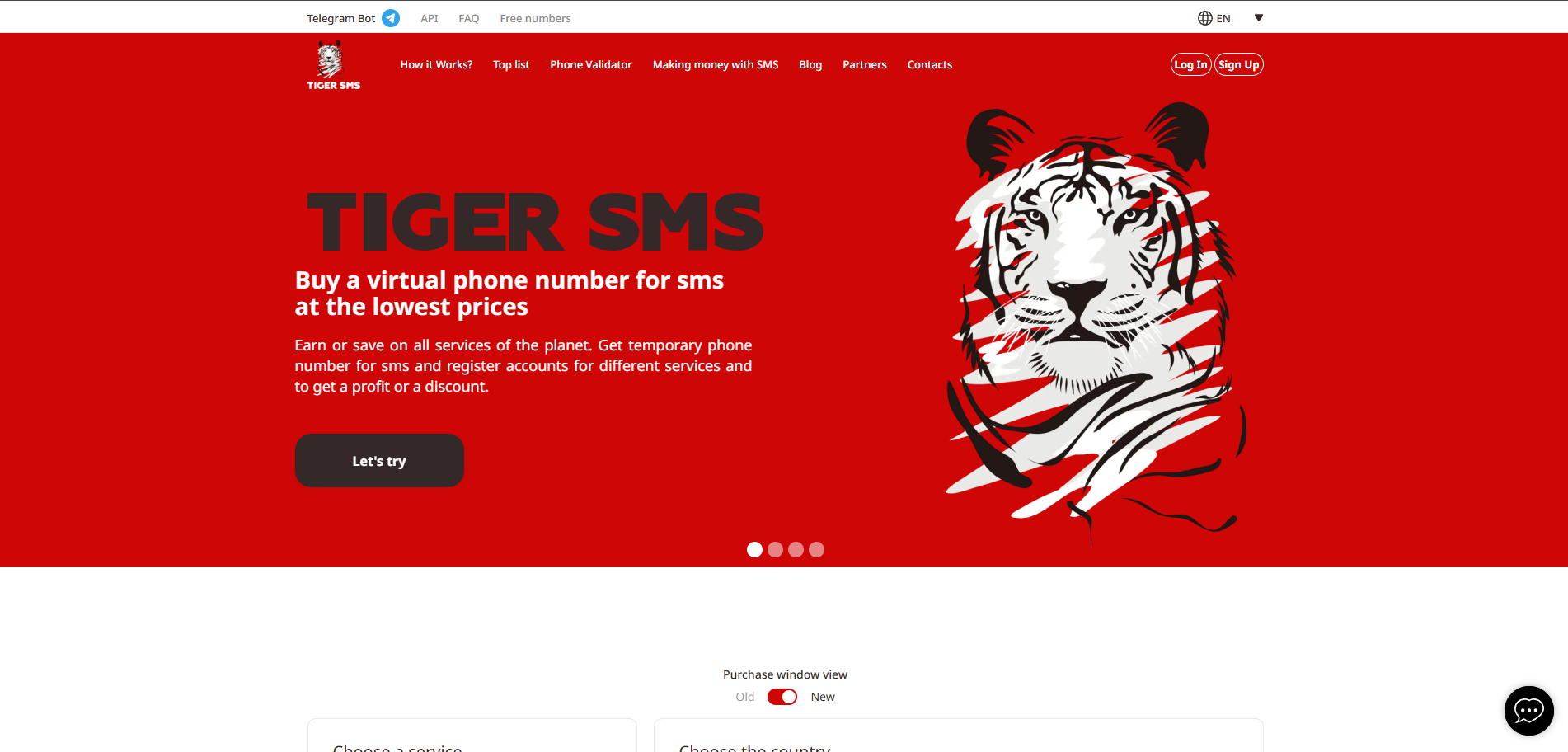
Tiger SMS is a service that gives you a temporary virtual phone number for SMS verification. Instead of entering your real personal number when creating a Ticketmaster account or registering on a new platform, you use a virtual number to receive the verification code — and your real number stays completely out of the picture.
Here's why this matters specifically around the World Cup:
Your real number never touches the platform. If Ticketmaster's data gets scraped or breached, your personal number isn't in the database. Scammers can't use it to target you with fake SMS messages.
No spam or phishing texts to your real phone. Phishing SMS attacks work because scammers get your real number first. Remove your number from the equation and the attack has nowhere to land.
One-time use, no long-term exposure. You use the virtual number to verify the account, get your confirmation code, and that's it. The number isn't tied to your identity.
Works with Ticketmaster, StubHub, SeatGeek, and other platforms. Any platform that requires SMS verification to create an account can be accessed through Tiger SMS.
How to use Tiger SMS when buying World Cup tickets
1) Go to tiger-sms.com and select a virtual number for your country
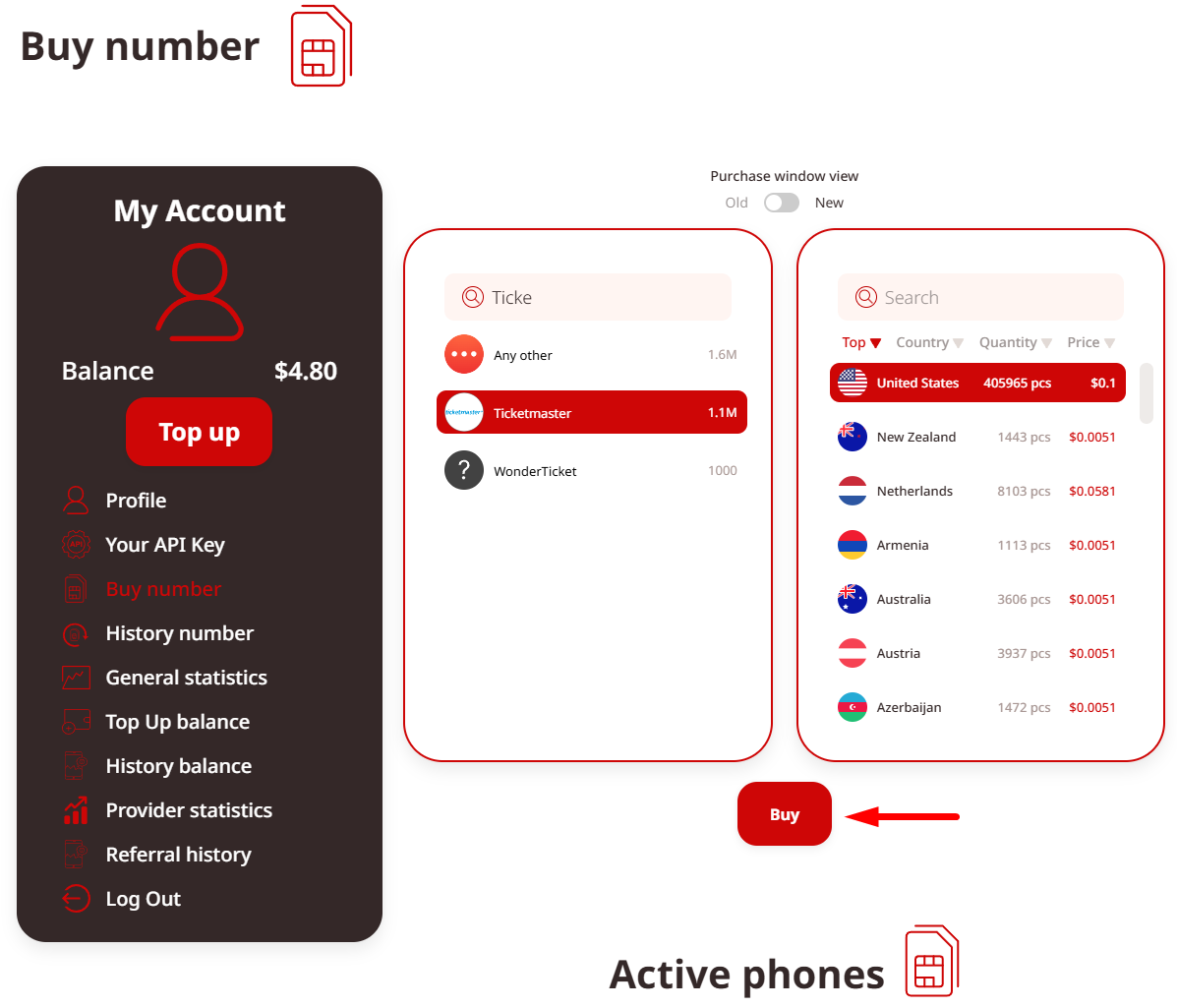
2) Open Ticketmaster and start the account registration process
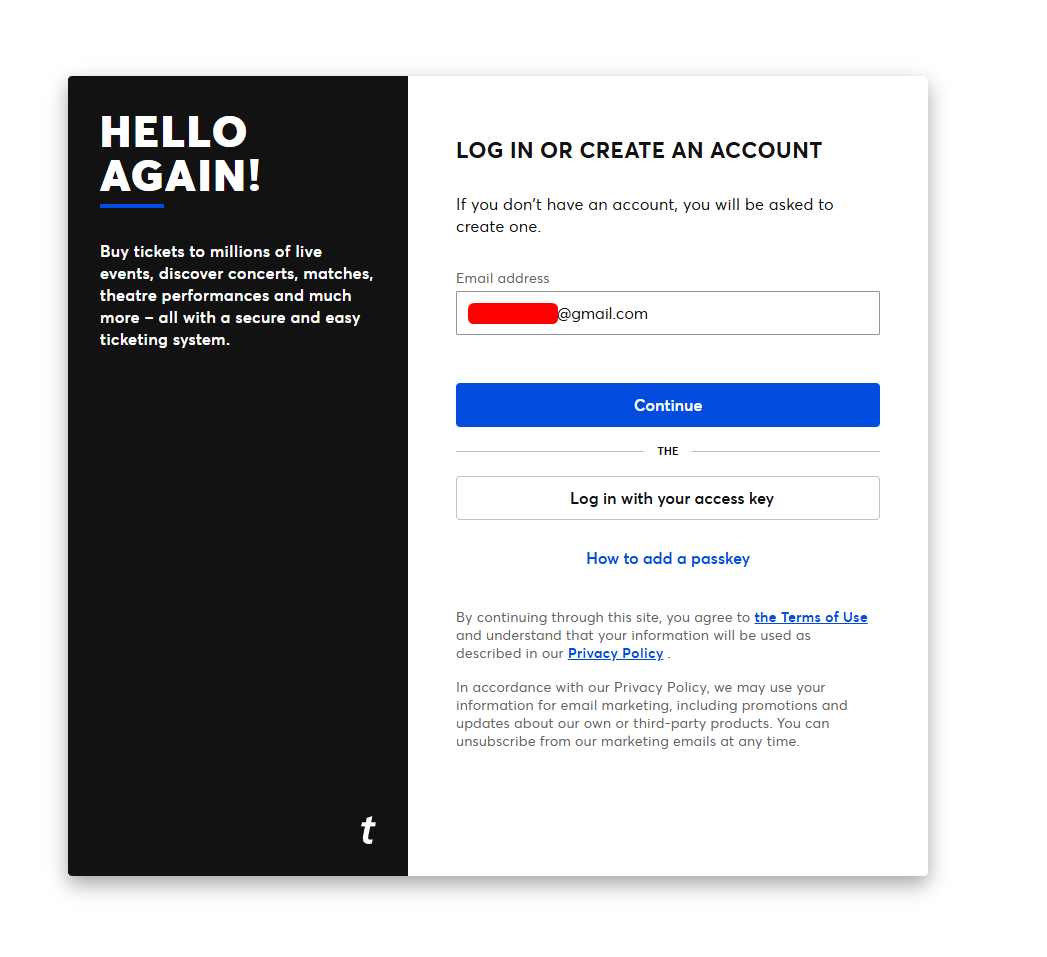
3) When asked for a phone number, enter your Tiger SMS virtual number
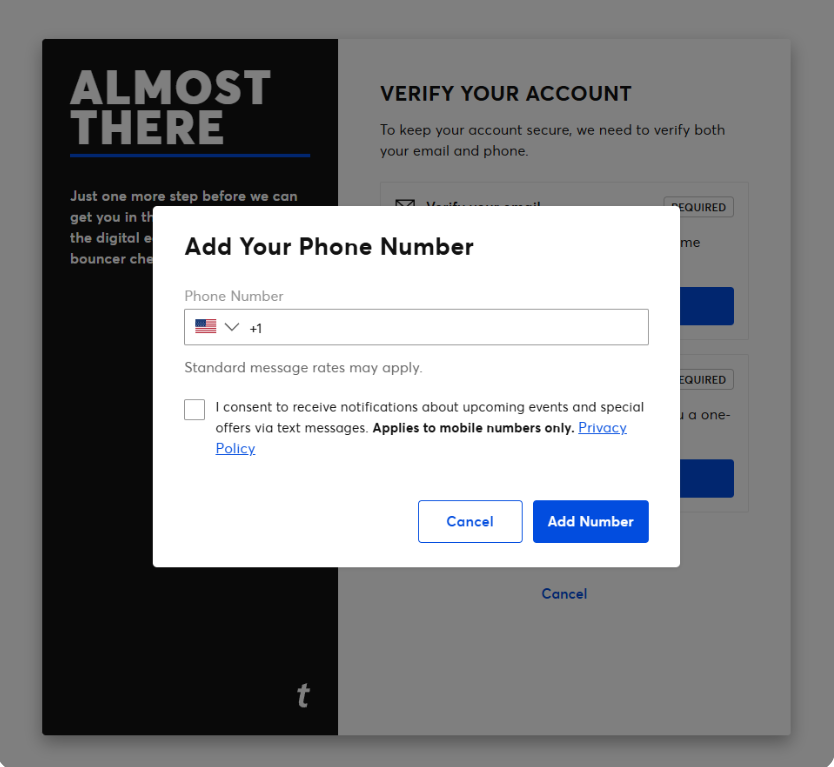
4) Receive the verification SMS in the Tiger SMS dashboard
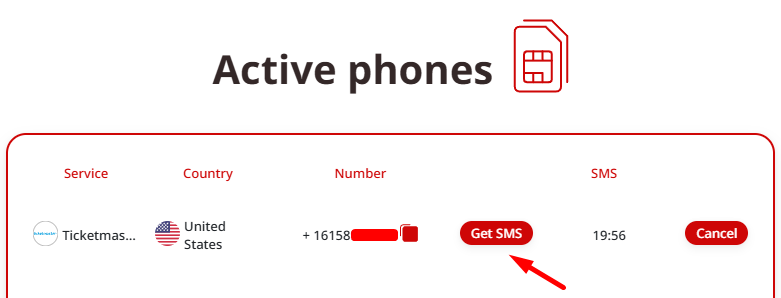
5) Enter the code — your account is verified, your real number is safe
6) Buy your tickets normally through the verified account
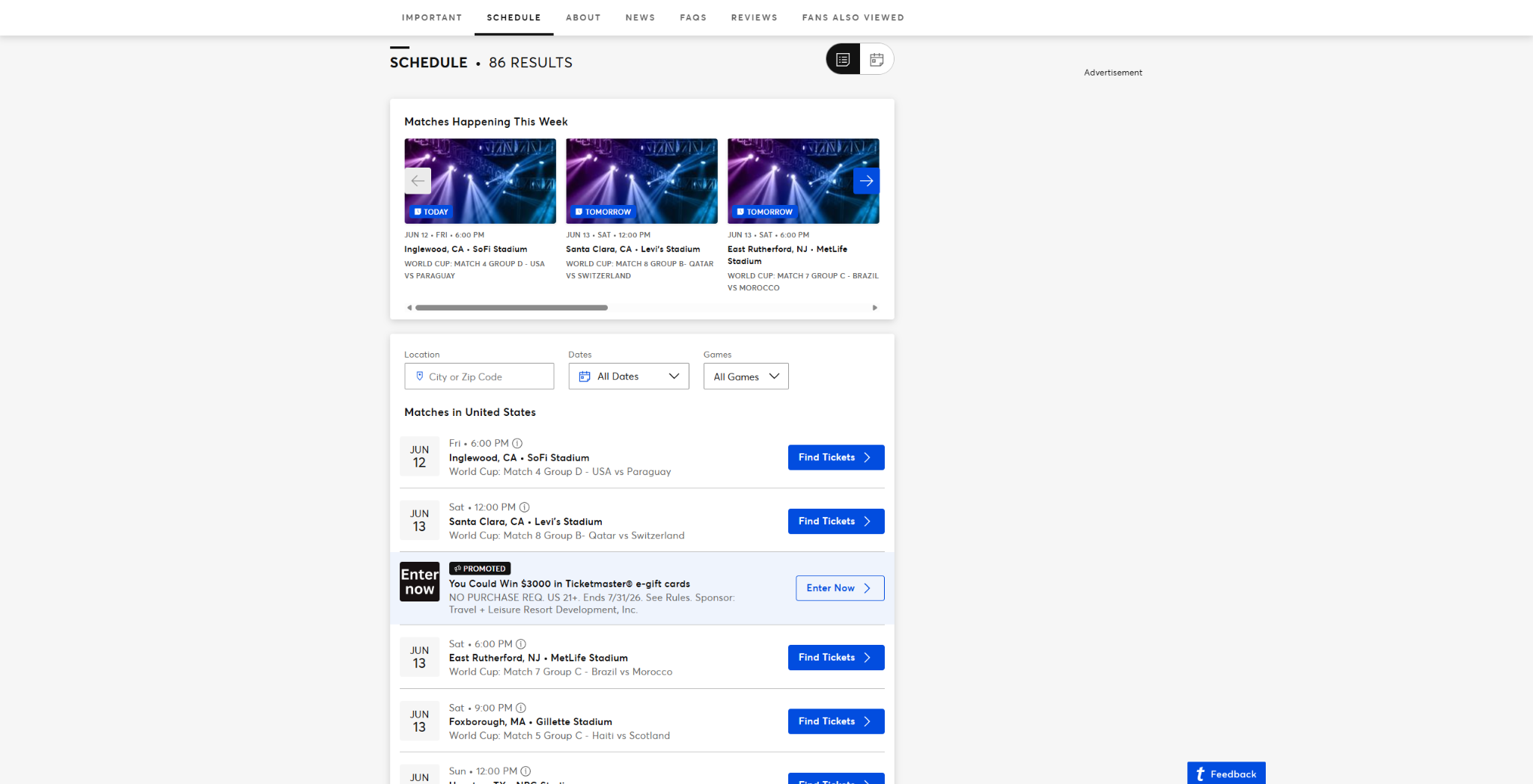
Simple, fast, and your personal number stays private throughout.
What to Do If You've Already Been Scammed
If you paid for a ticket that turned out to be fake, act quickly:
1) If you paid by card or PayPal: Contact your bank or PayPal immediately and dispute the charge as fraud. If you used a debit or credit card, contact the company as soon as you learn about the fraud so you can dispute the charge. You may be entitled to fraud protection under the terms of your account.
2) If you paid via Zelle, wire transfer, or crypto: Recovery is much harder. Report to the FTC (reportfraud.ftc.gov) and your local cybercrime authority. Don't delete any messages or screenshots — you'll need them.
3) If your Ticketmaster account was compromised: Change your password immediately, enable two-factor authentication, and check whether your payment details were stored. Report to Ticketmaster support.
4) If you received a phishing SMS: Don't click the link. Report the number to your carrier and delete the message.
FAQ: Ticketmaster Scams and World Cup 2026
1) How do I know if a Ticketmaster website is real? Type ticketmaster.com directly into your browser — never click links from ads or messages. Check the URL carefully for any spelling differences. The real site always uses https://www.ticketmaster.com.
2) Can scammers send fake SMS messages from "Ticketmaster"? Yes. Scammers use SMS spoofing to make messages appear to come from legitimate companies. Never click links in unexpected SMS messages. Go to the official site directly instead.
3) Is it safe to buy World Cup tickets through Ticketmaster? Yes, if you're on the real Ticketmaster platform and buying through official channels. The risk comes from fake sites, phishing links, and third-party sellers outside the platform.
4) What payment method is safest for buying tickets online? Credit card or PayPal through the official platform. These offer the best fraud protection and dispute options if something goes wrong. Avoid wire transfers, Zelle, Cash App, and crypto for ticket purchases.
5) Why should I use a virtual number for Ticketmaster registration? Your real number becomes a target once it's in a platform's database. A virtual number from Tiger SMS lets you complete verification without exposing your personal number to potential data breaches, spam, or phishing attacks.
6) What if I receive a suspicious SMS about my Ticketmaster order? Don't click any links. Go to ticketmaster.com directly and check your account. If nothing unusual is showing in your account, the message was a scam attempt.
Conclusion: Excitement Shouldn't Cost You Your Money or Your Data
The 2026 World Cup is a once-in-a-generation event for football fans. Scammers know that — and they're counting on excitement overriding caution.
The good news is that protecting yourself doesn't require technical knowledge. It requires three habits: buy only through official platforms, never pay via instant transfer apps, and keep your real phone number off platforms that don't need it.
Tiger SMS helps with that last part. One virtual number, one verification, and your real number never enters the equation — no matter what happens to that platform's data later.
Stay safe. Watch the football. Don't let scammers ruin it.
👉 Get a virtual number at tiger-sms.com — takes less than 2 minutes, works with Ticketmaster and 500+ other platforms.
Sources used in this article:
-
Recorded Future / Insikt Group — 1,100+ suspicious domains, 600+ FIFA typosquats, 33 scam domains / 2,500 ads: https://cybersecuritynews.com/cybercriminals-exploit-2026-fifa-world-cup-with-phishing/
-
GBHackers — phishing campaigns, cash-out services targeting Ticketmaster/StubHub/SeatGeek: https://gbhackers.com/hackers-exploit-2026-fifa-world-cup/
-
Norton — fake resale listings, social engineering tactics: https://us.norton.com/blog/online-scams/world-cup-ticket-scams
-
FindLaw — Ticketmaster warnings on fake listings, FTC payment advice: https://www.findlaw.com/legalblogs/consumer-protection/2026-world-cup-ticket-scams-how-to-avoid-them-and-what-to-do-if-youve-already-paid/
-
Nolo — refund options, official resale platforms: https://www.nolo.com/news/world-cup-2026-ticket-scams-how-to-avoid-fake-fifa-tickets.html
-
TechRadar — fake streaming sites, scam domain spike statistics: https://www.techradar.com/pro/security/ticket-scams-fake-streaming-websites-and-dodgy-domains-the-security-threats-facing-football-fans-ahead-of-the-world-cup-2026